GuardCorps CL64 Launcher System
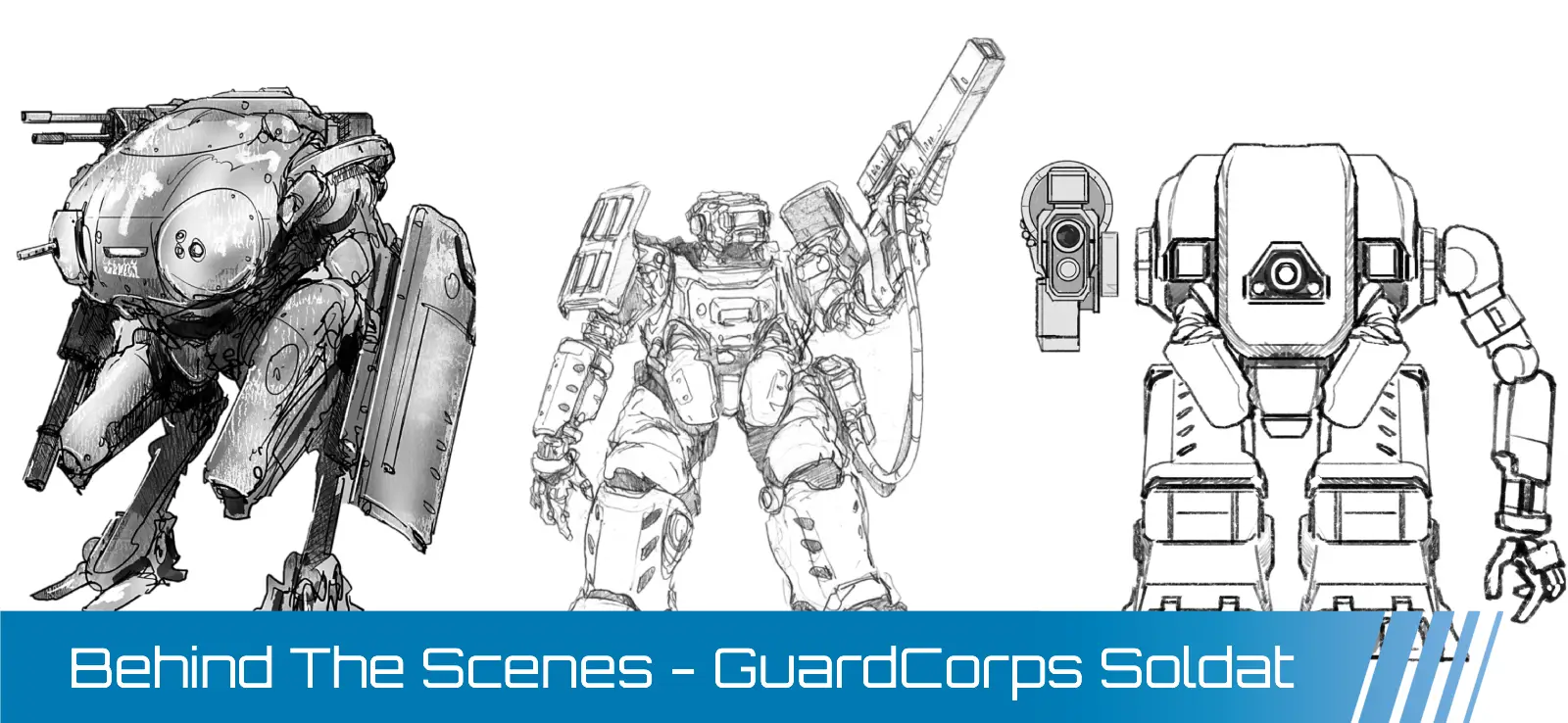
For this cycle I have settled on a missive directing the lens toward the topic of so-called “universal weapon systems.” This was a short-lived concept which gained popularity with GuardCorps planners during the development of the UNS-62 Soldat Tactical Zeoform. Their line of reasoning, not unreasonable in itself, ran that if a weapon were usable by both combat zeoforms and support elements, manufacturing cost and logistics chain distribution issues could be significantly eased. This idea may well have gained traction thanks to the efforts of Zy Laufey, who was at that time the marketing head of Deepwater Solutions, itself a subsidiary of the Unitas Consortium. Certainly the appearance of a variant of SmartfoamTM as a key component in the new system's construction cannot be viewed as coincidental.
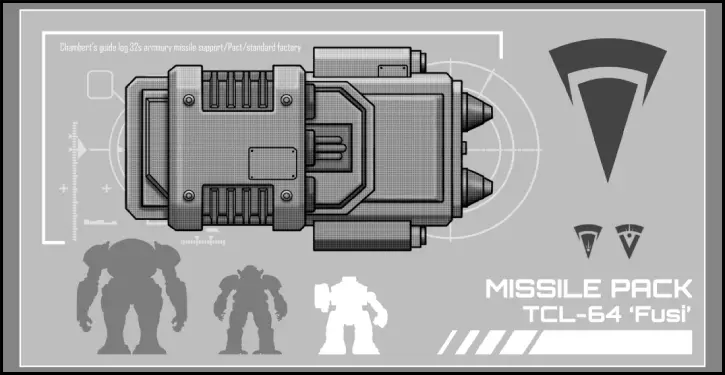
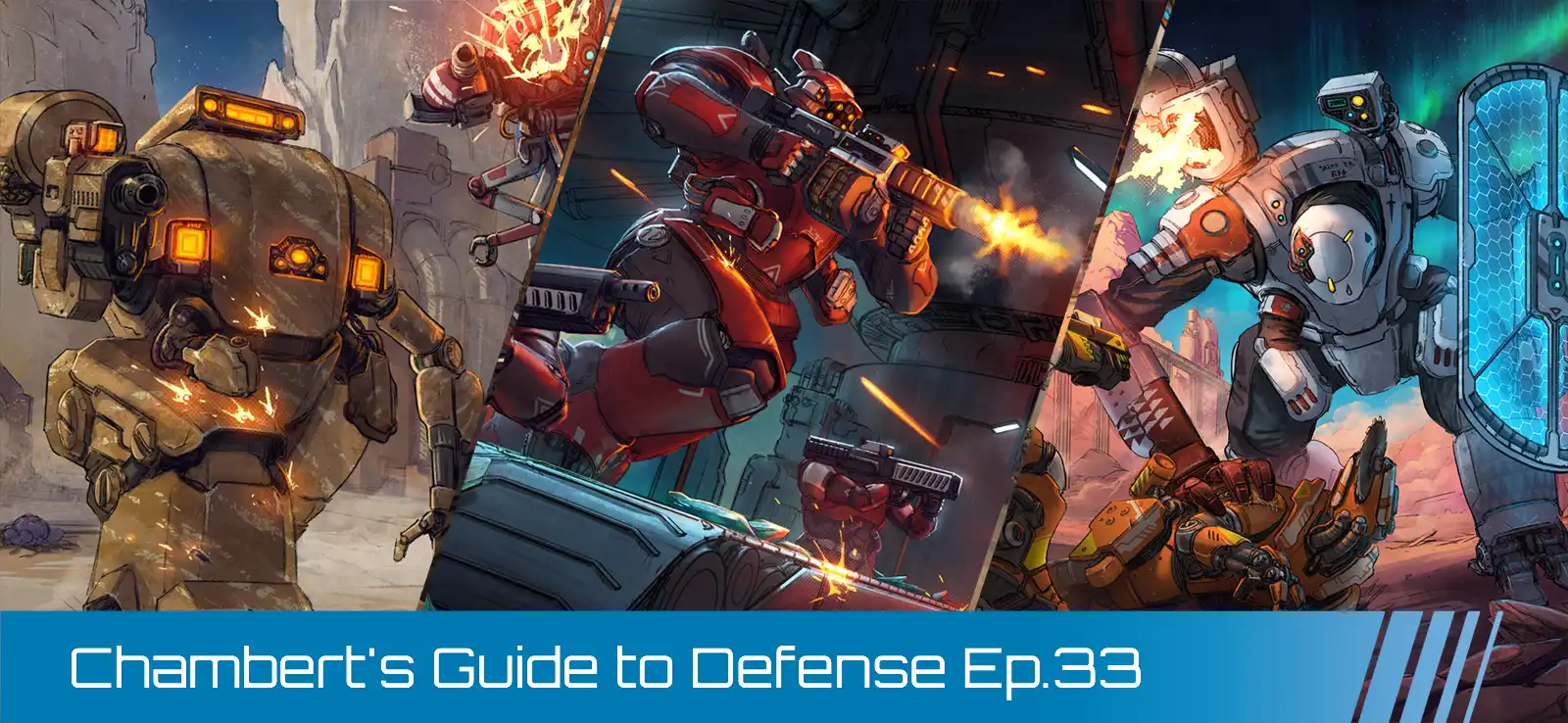
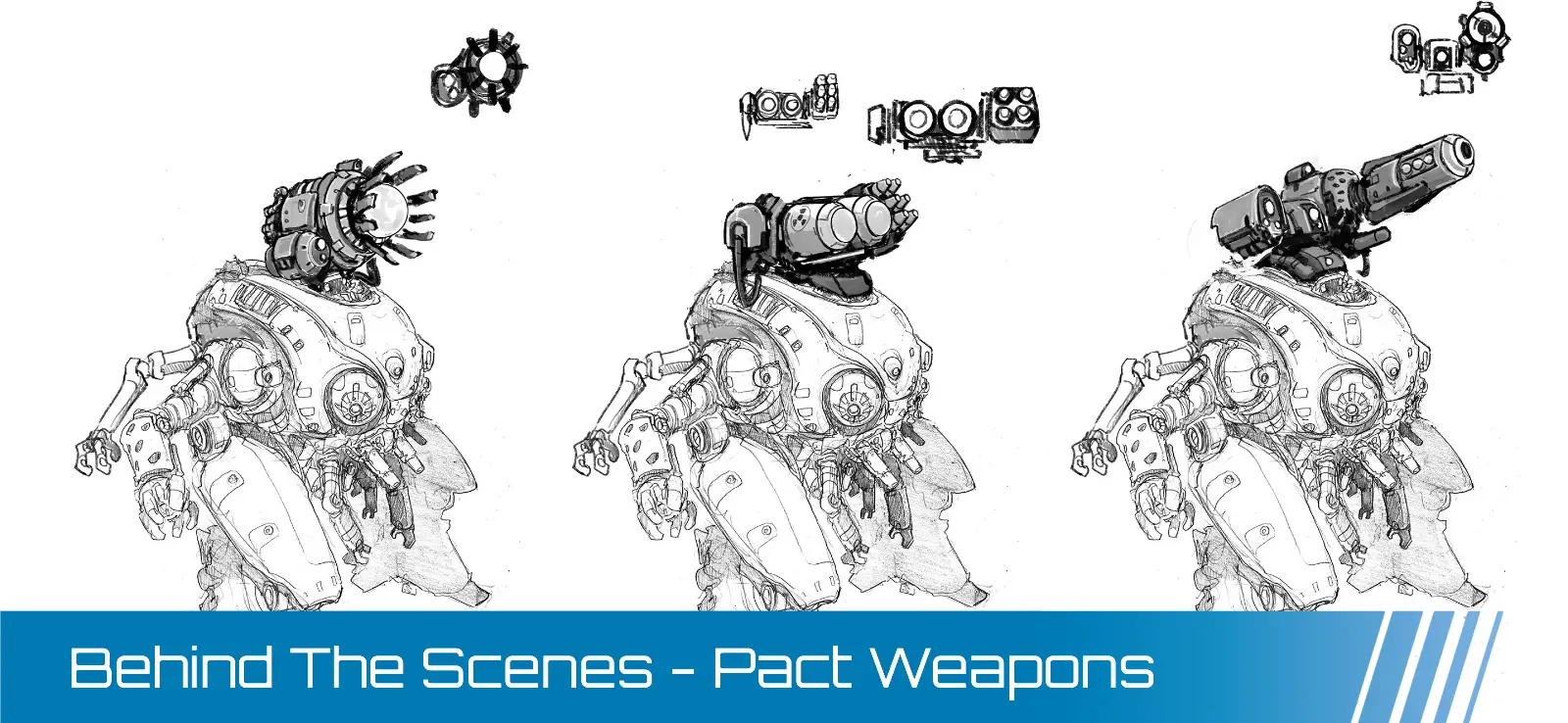
The CL64 Launcher system is designed around the L64 missile, a solid-fuel driven, guided-rocket projectile. The requirement for the missile itself and its accompanying launcher being man-portable placed severe constraints on size and weight, making the missile rather on the small size. For the Soldat, this shortcoming was to be overcome with a multi-missile rack launch system attached to one or, theoretically, both of the upper-hull actuator joints. The warhead payload approach was, for the time, an extremely novel one and may go a long way to explain Laufey's interest. The L64 foregoes any attempt to do direct damage to targets by using a minor blast effect to aerosolize a payload of variant SmartfoamTM. The missile detonator can be set to trigger the resulting cloud in one of two ways: an electrostatic shock effect of considerable utility against electrical and nervous systems alike, or a simple thermal energy blast.
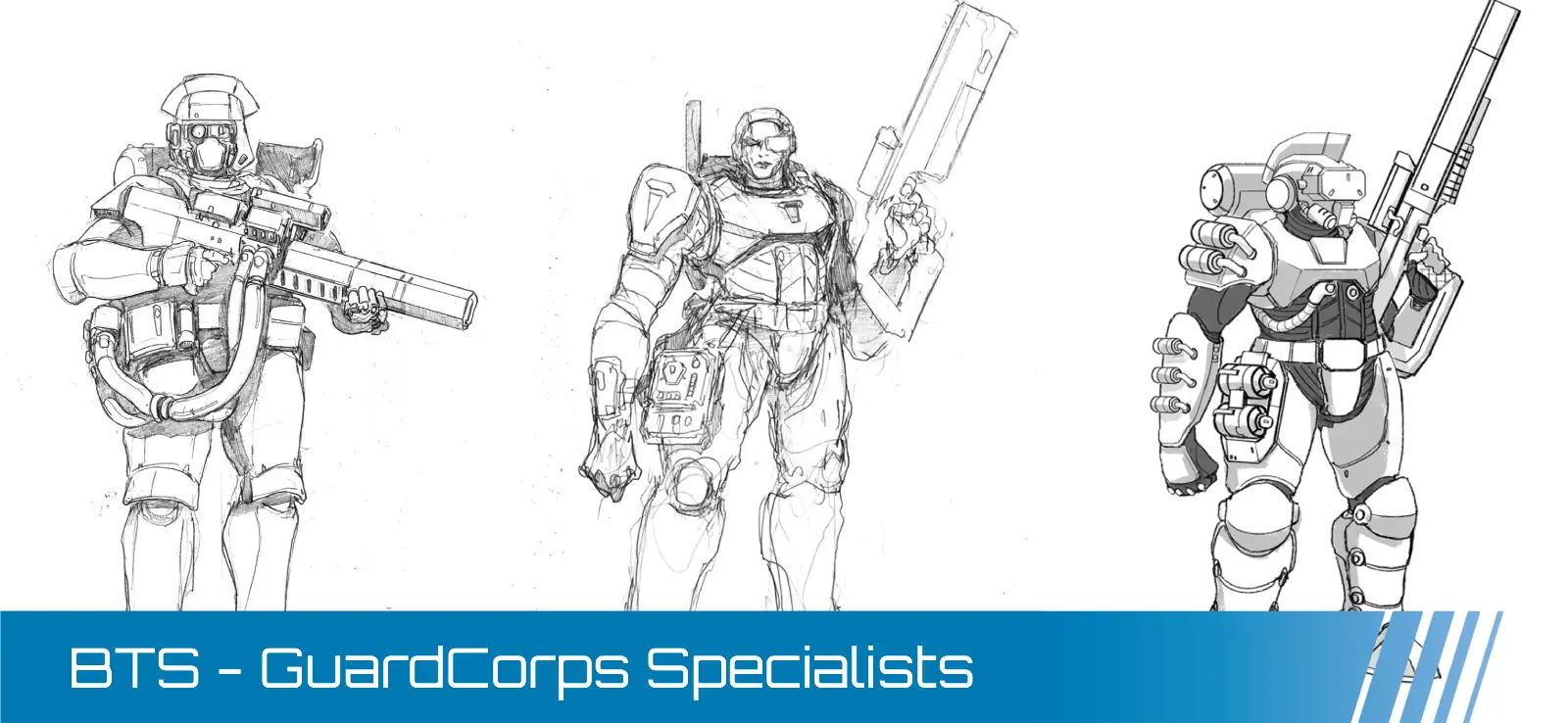
SCL-64 Launcher proved a considerable boon for Support troops, giving them an anti-zeo weapon which also had the flexibility to engage a variety of targets. However, the L64 missile proved extremely problematic to integrate with the Soladat's already heavily-stressed control systems. In the end it was necessary to dispense with the excellent designator system used by the SCL-64 and rely on the missile's internal terminal guidance systems for accuracy, reducing it to a slightly smarter rocket rather than a true missile.
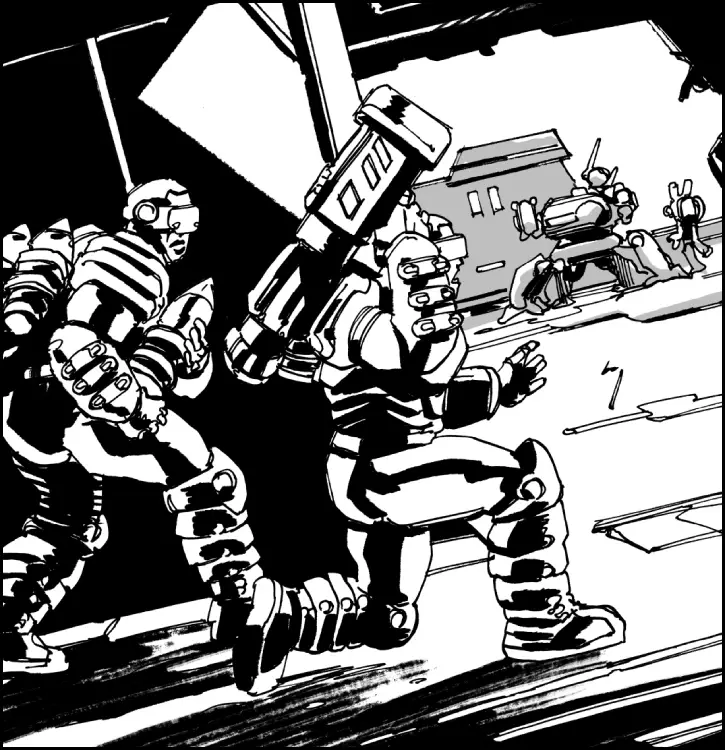
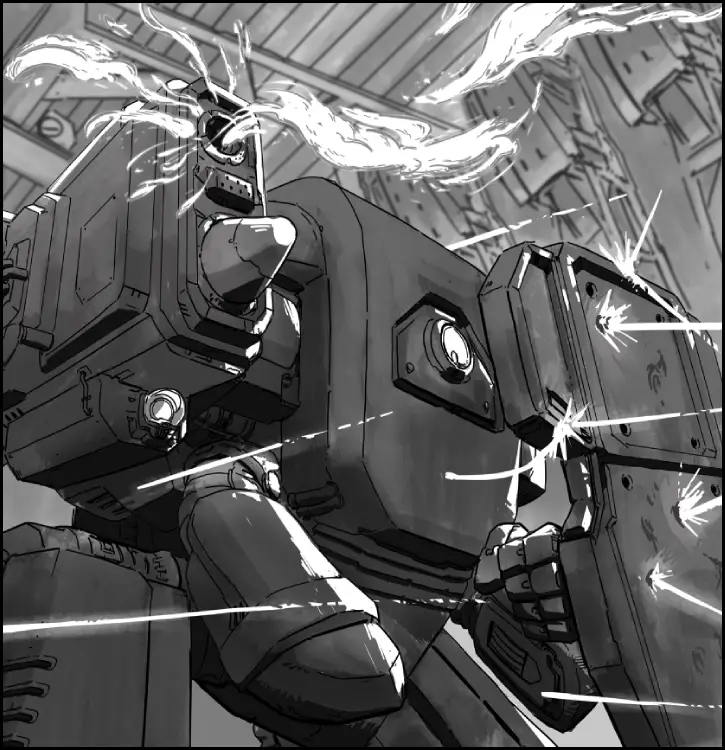
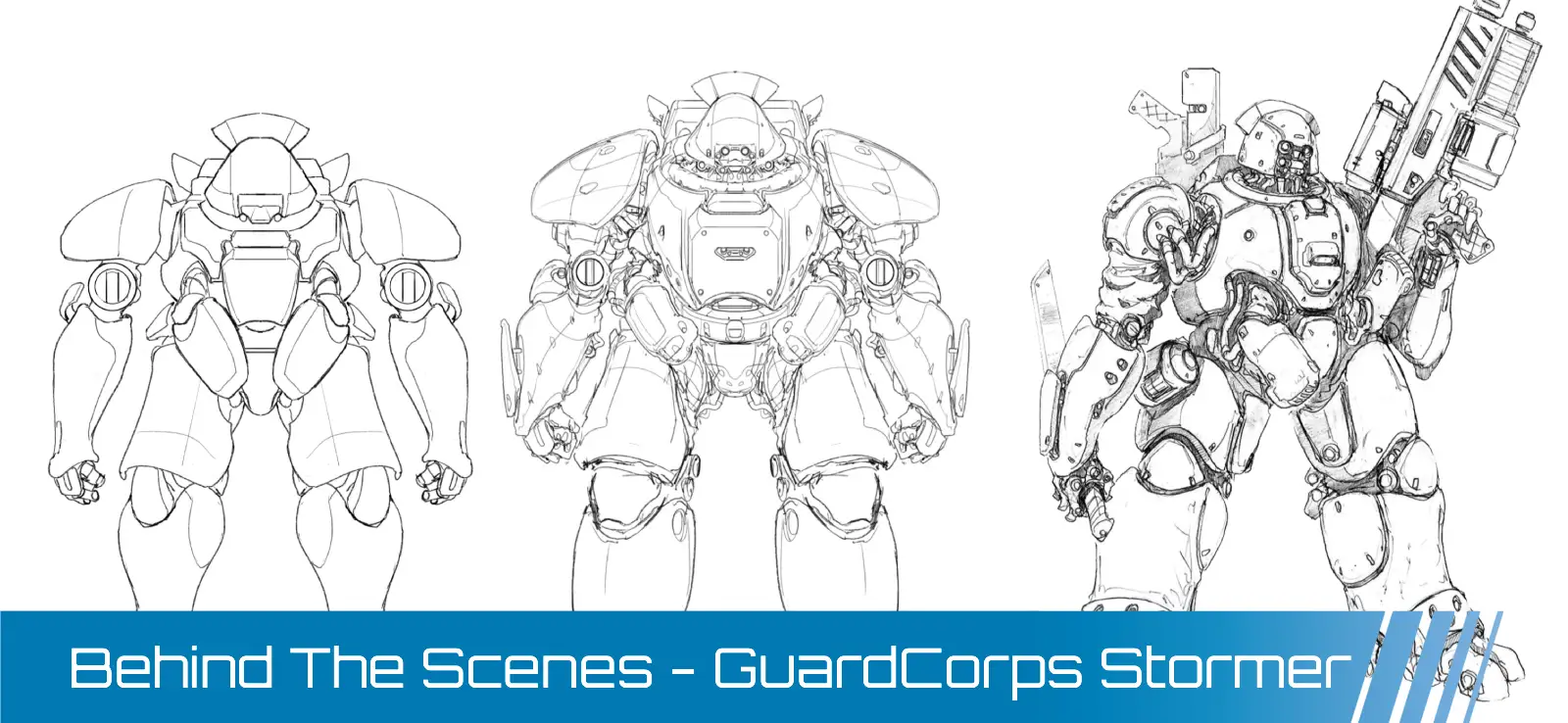
TCL-64 “Fusi” Missile pack does supply the Soldat with an option for a flexible area effect weapon and remains in widespread use. However, it must be noted that when designing weapons for the UnS-65 Stormer, the L64 missile was disregarded in favor of a much simpler combat launcher system in the shape of the TCL-3 “Boomer.” A subtle admission of this reframing of the L-64 as purely a Support weapon can perhaps be seen in its reappearance in simplified form as ammunition for one configuration of the Tbd-1 Auto Sentry Turret Drone.
One of the most respected analysts, known both for highly detailed breakdowns and post-engagement evaluation as well as more informal “pop” texts is “Drew Chambert” (a nom de plume). Little is known about this writer except it is evident they are or have been a zeo designer, possibly even a pilot at some point, and have some quite deep connections into both Pact and GuardCorps operations. Their writings and audiocasts are available across all one hundred heliospheres to a greater or lesser extent.








.webp)
.webp)