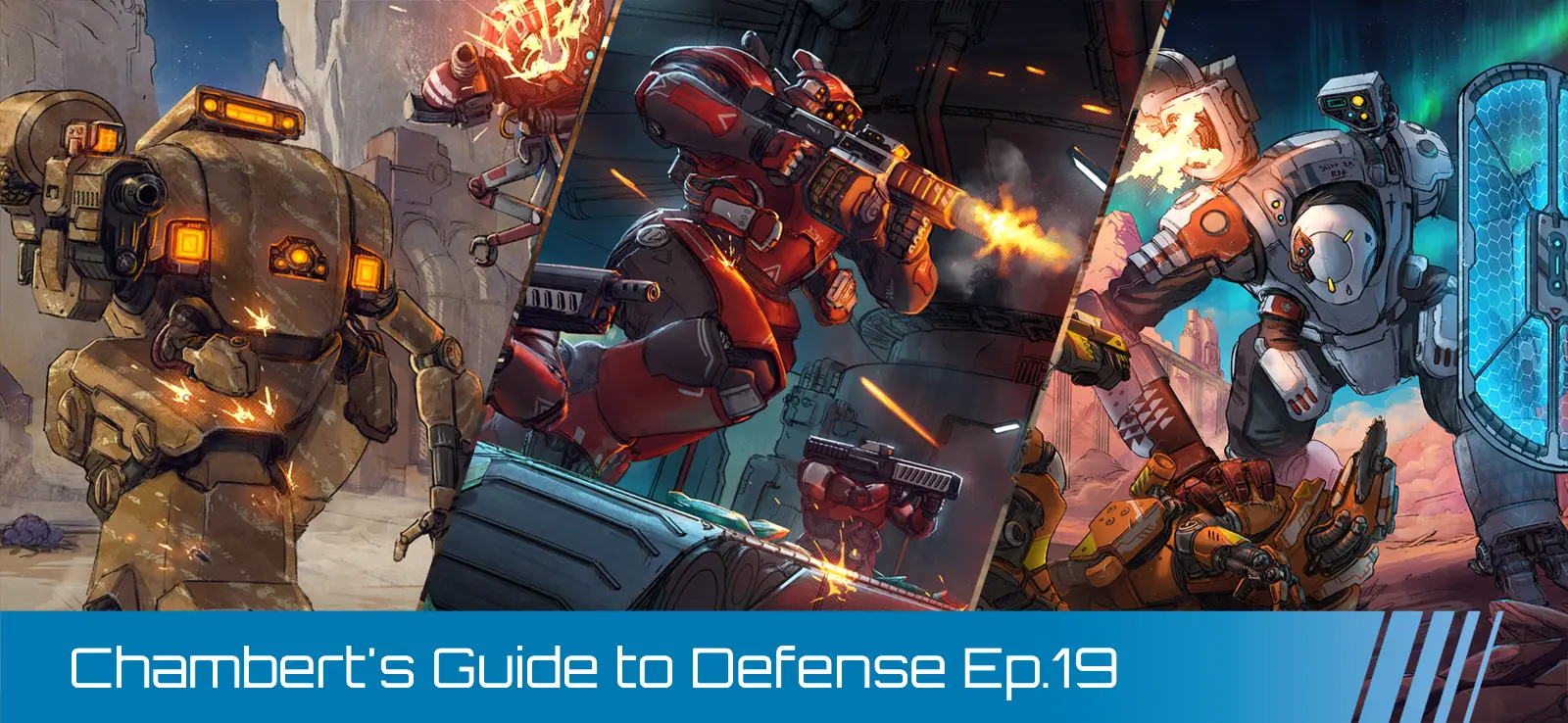
GuardCorps Shock Weapons
In the discussion of GuardCorps' armory of shock weapons, it is important to first establish a few parameters on what does and does not constitute a shock weapon—and, furthermore, what “shock” actually means in the parlance of weapon designers and end-users. In simple terms, all weapons can be said to induce some level of shock through their attack. Most commonly, high-impact hits without accompanying penetrative capabilities will induce shock in the target as the additional energy is distributed across a wider area by the failed impact. A simple fall from a great enough height can induce shock in a zeoform and, rather notoriously, the much-vaunted Tordenskrald missile system inflicts shock not by design, but by the rather crudely applied amounts of energy it applies in lieu of penetration.
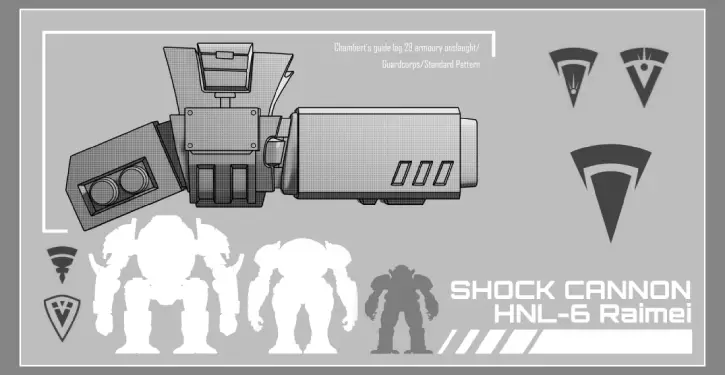
Smaller weapon types, most notably Support weapons, create shock effects with specialized warhead payloads. A Clamp Charge or Launcher Shock shell generates a powerful, instantaneous jolt electrical charge using a burnout capacitor or crystalline wafers. Rather than aiming to rattle every armor plate, fiber connection, and joint actuator like a Tordenskrald would, these weapons rely on achieving a similar result by bypassing many defensive layers with a highly specific, overwhelming threat. The utility of this approach should be readily apparent to most readers—such weapons can hope to disable well-protected combat zeoforms that would otherwise be beyond their capacity to damage, even if the effect is temporary and a consumable munition must be used to achieve it.
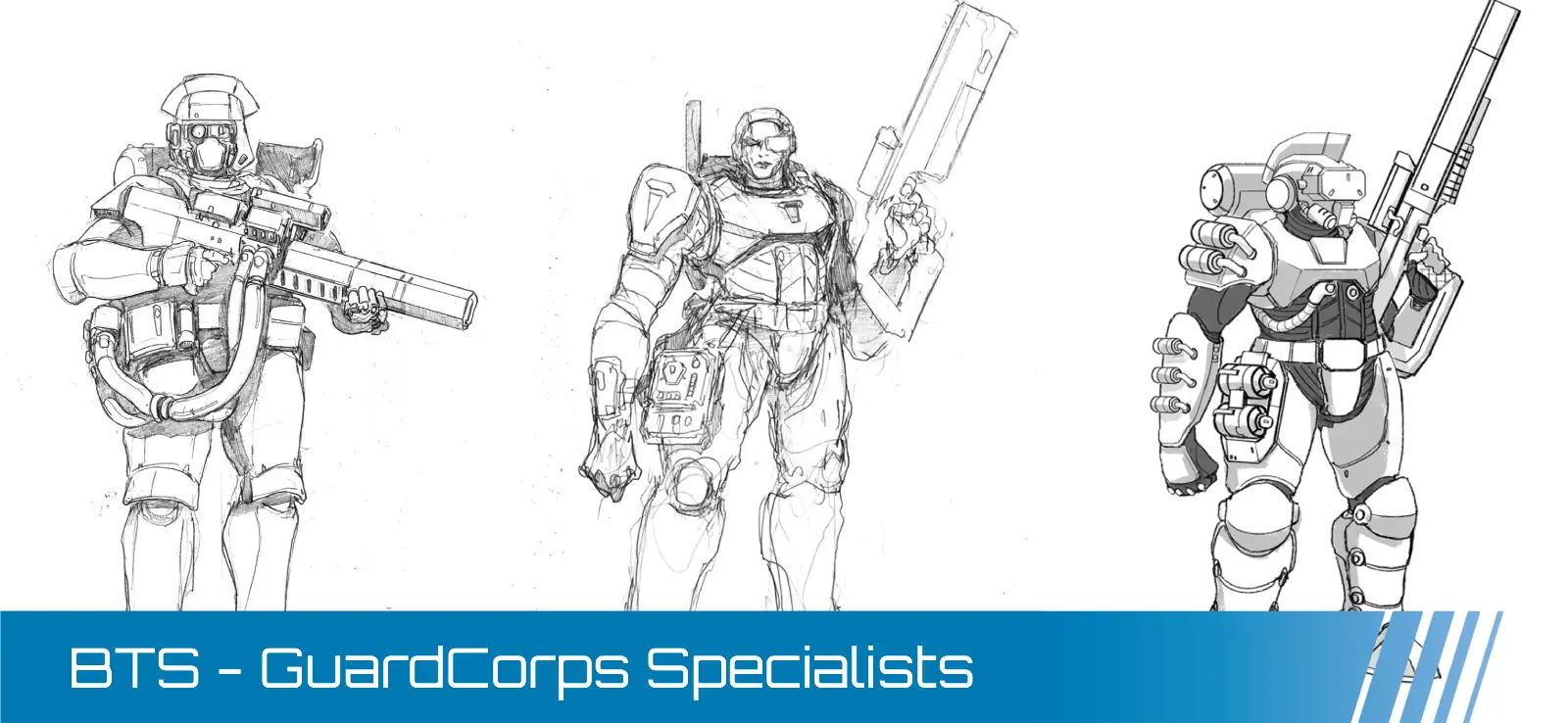
There is a rather unkind belief that Unitas is incapable of producing particle beam weapons at a scale suited to zeoforms. This is manifestly untrue, as the Nev-Tarsun series of shock rifles and cannons demonstrate. It is rather the case that Unitas' consumer base is universally unwilling to perform the necessary maintenance regime associated with such precision weaponry. The undoubted merits of beam weapons are also felt to be undercut by perceptions of fragility in the field, despite this being easily remedied by adequate hardening. As a result, beam weapons are quite simply unpopular, and the Pact's apparent taste for them has only served to deepen the market's sense of disapproval. Amusingly, shock rifles and cannons still have plenty of exponents, however, despite being for all intents and purposes a simple variant of beam weapon technology.

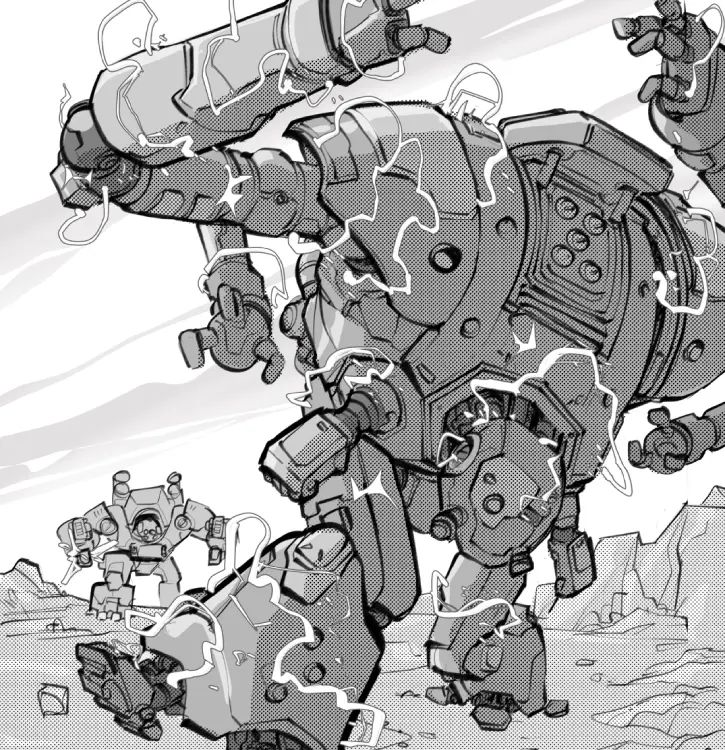
Nev-Tarsun's proprietary “beam tunnel” tech was originally promoted for security and agricultural employment, where rapidly setting up invisible—but painful—static fences was seen as desirable. Unitas quickly saw the potential in the approach and acquired Nev-Tarsun via a dominance merger shortly afterwards. Once incorporated into a conventional zeoform weapon housing, the beam tunnel proved an excellent medium for transitioning an electrical discharge into a target with high accuracy up to line-of-sight distances. Further tuning of the technique proved it was also possible to utilize two different attack modes: a single high-powered pulse to attempt to shock the target, or a series or micro-pulses building up a charge to inhibit it. Adoption by Guardcorps has seen these weapons rendered into tactical, battle, and heavy weight versions, all seen as robust and reliable choices in the field, with none of the perceived shortcomings or opprobrium directed at more conventional beam weapons.
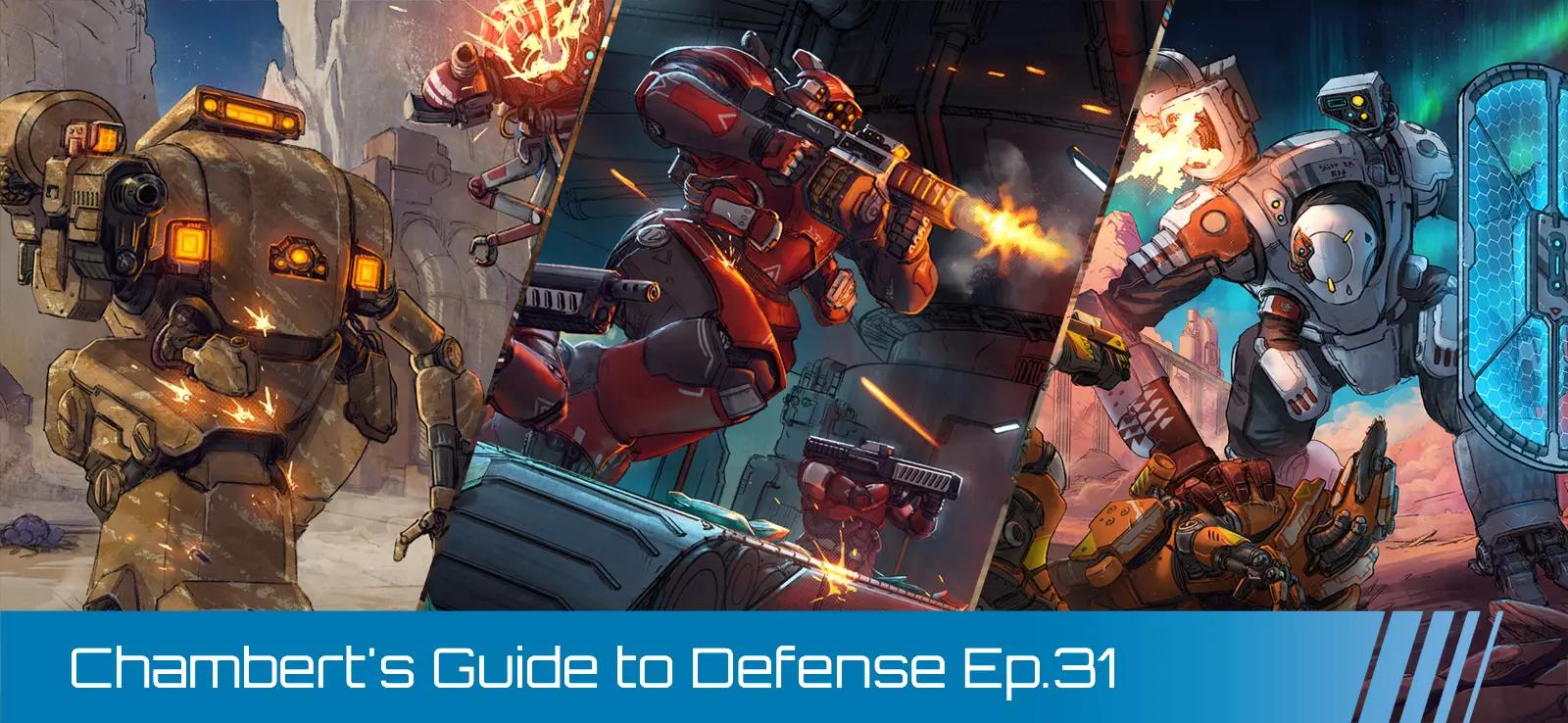
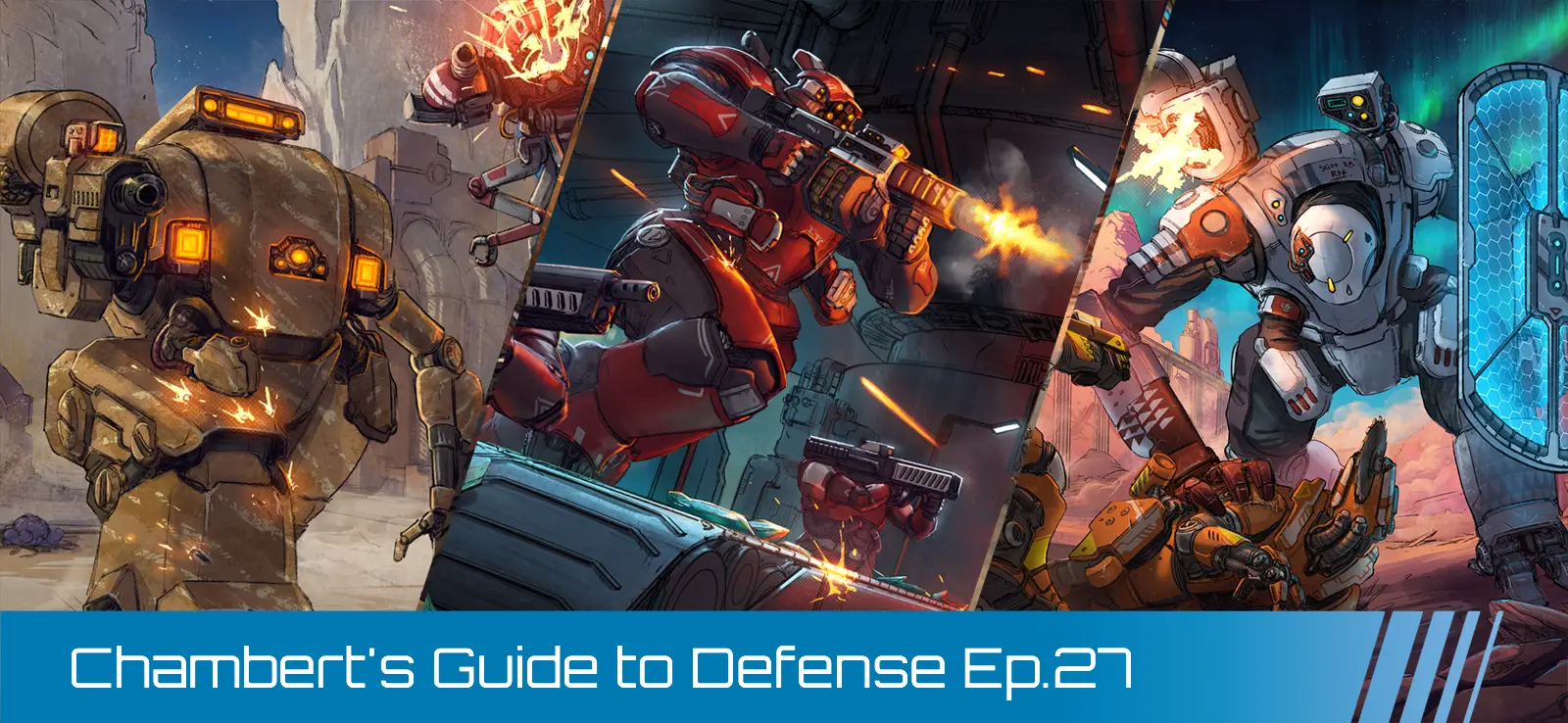
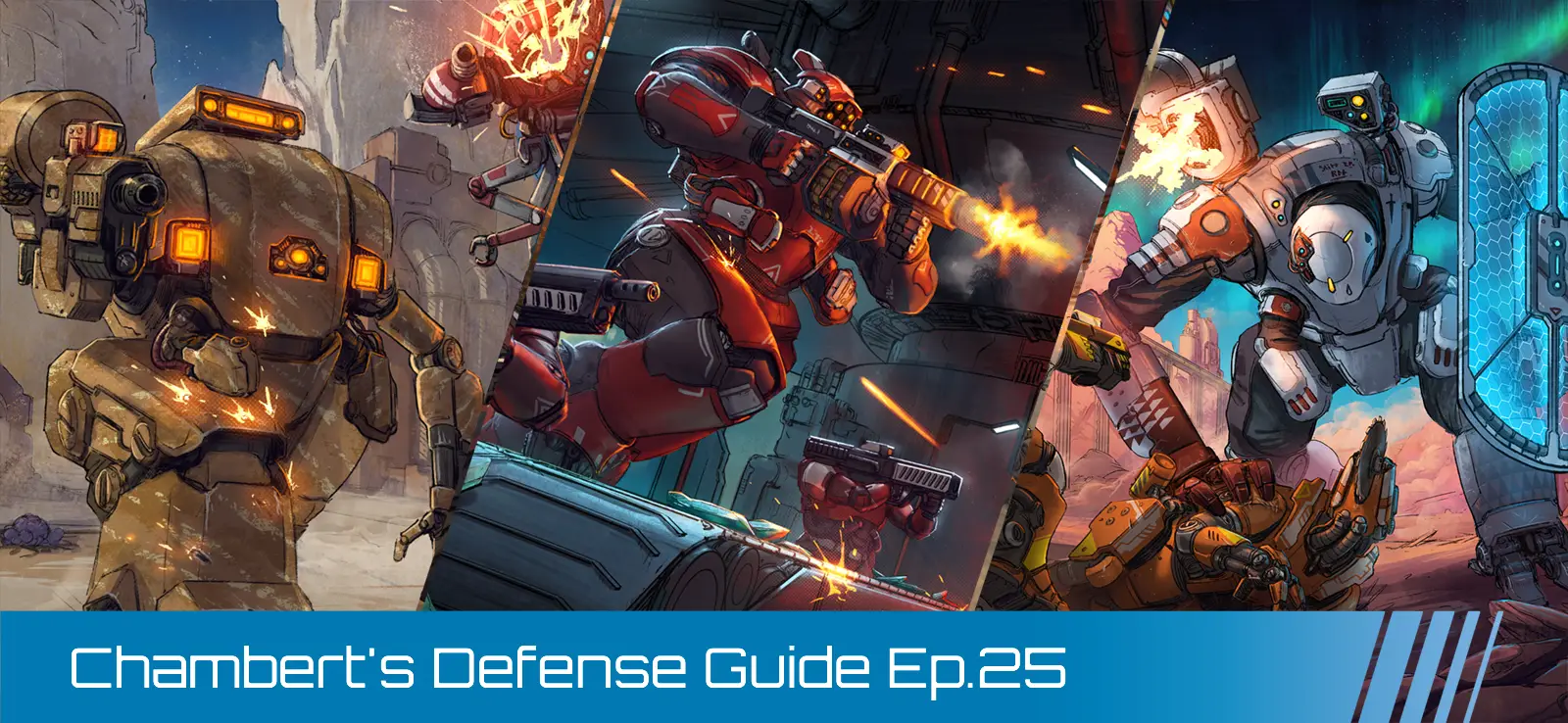
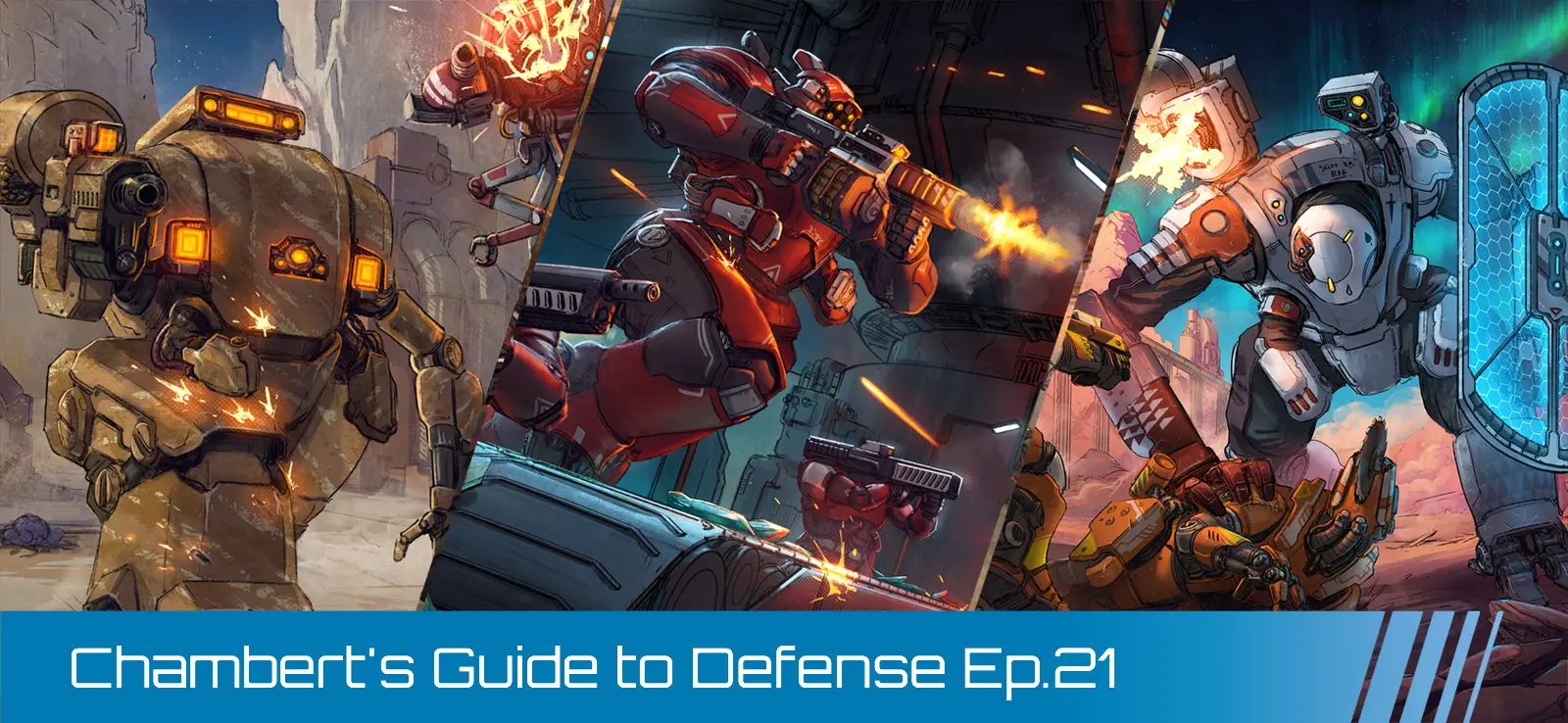
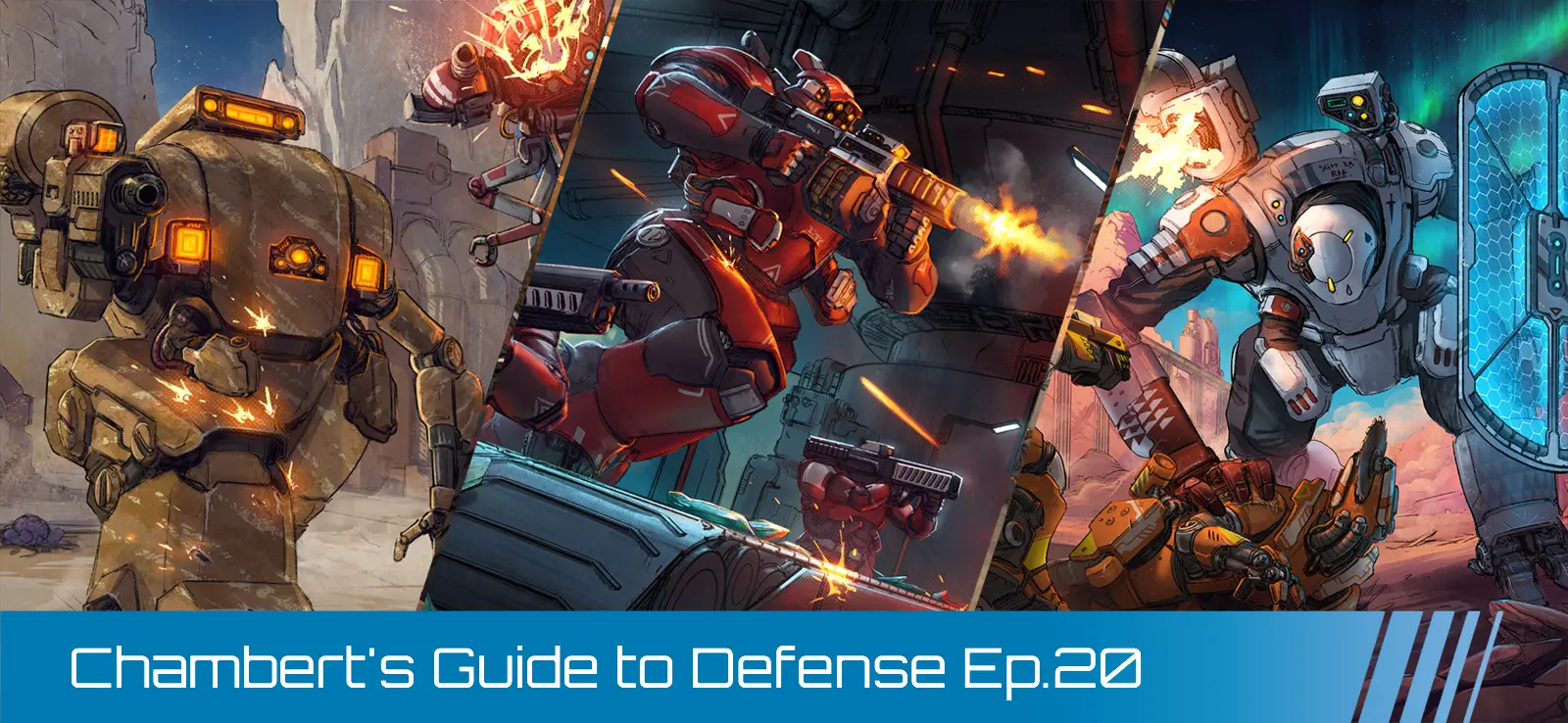
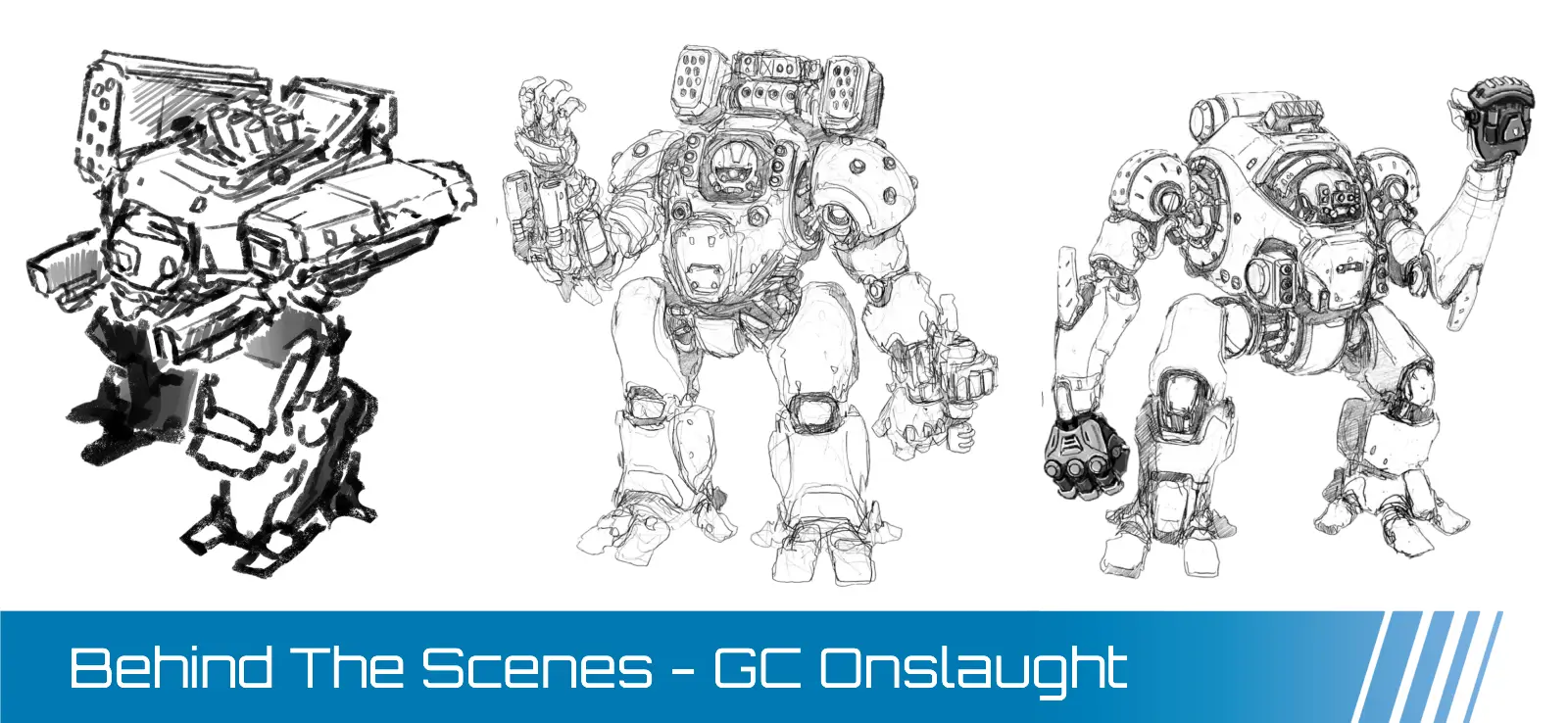
One of the most respected analysts, known both for highly detailed breakdowns and post-engagement evaluation as well as more informal “pop” texts is “Drew Chambert” (a nom de plume). Little is known about this writer except it is evident they are or have been a zeo designer, possibly even a pilot at some point, and have some quite deep connections into both Pact and GuardCorps operations. Their writings and audiocasts are available across all one hundred heliospheres to a greater or lesser extent.











.webp)
.webp)