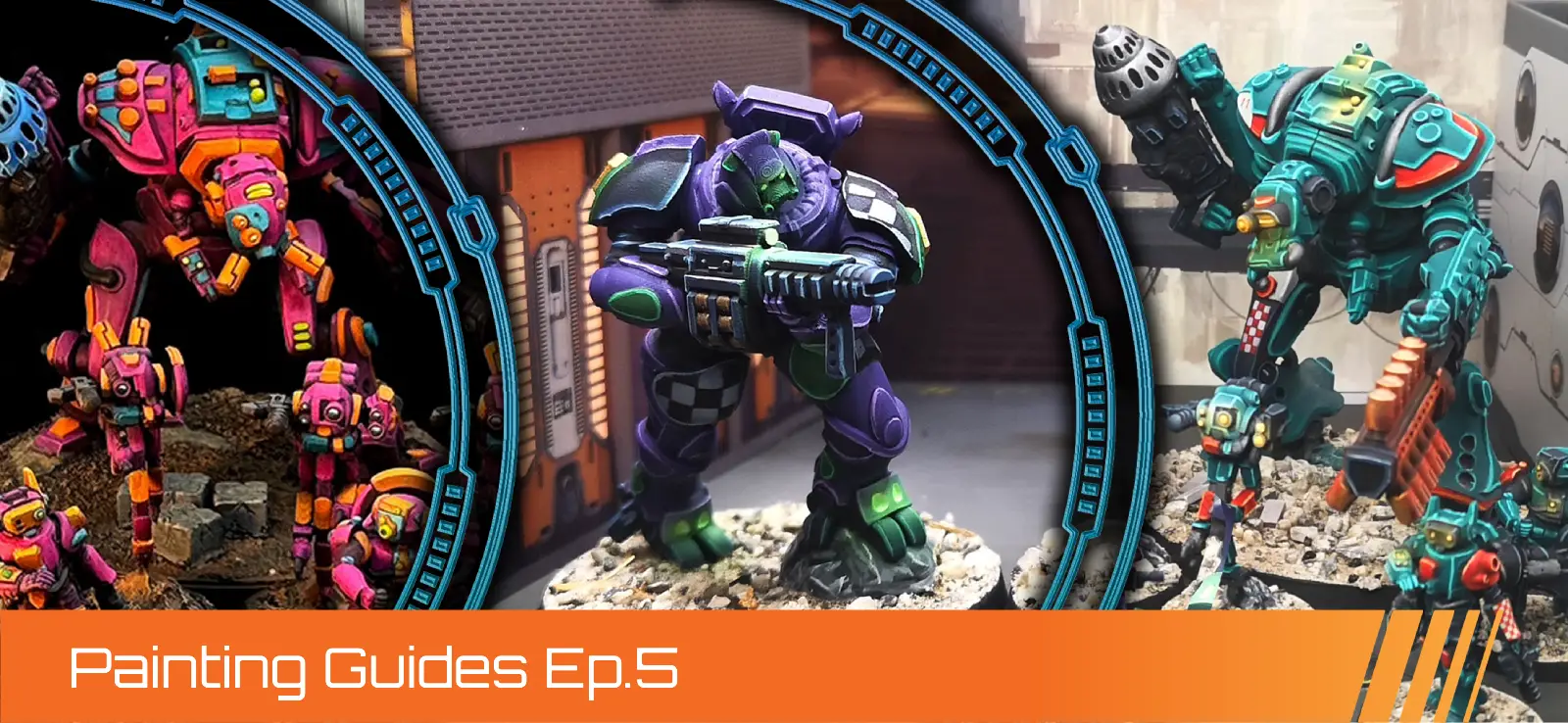
GuardCorps WS-128 “Tordenskrald” Missile Designator
It must be said that the path to GuardCorps’ deployment of Protocol one grade weaponry in field operations can appear a somewhat tortuous one. In the normal run of events, a request for Protocol weapons-free approval by a zeoform team must first be taken under advisement by the Lead Team, then submitted, along with appropriate documentation and supporting evidence, to the local senior Tactical Auditor for processing and analysis. From there, local authority consultation and contract-holder sign-offs are also required, and it's possible that offworld or even out-of-sphere communication may also be required to clear the request with higher command.
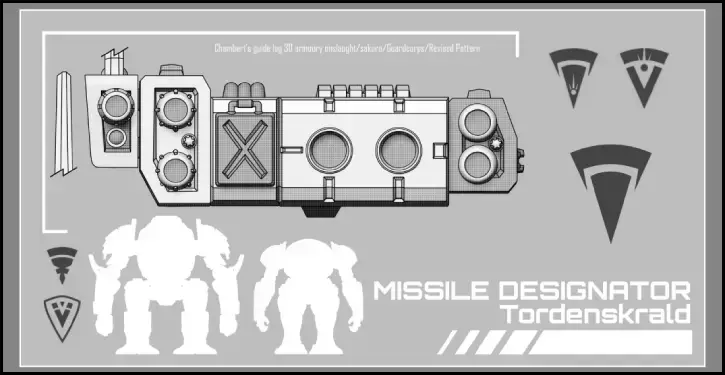
In practice, there is normally pre-approval in place for the use of Protocol weapons in contract documentation and embodied in GuardCorps’ deployment of Combat Zeoforms with the requisite capability in the heliosphere in question in the first place. In real terms, a GuardCorps team's Tactical Auditor can usually secure a Protocol weapons-free status for their zeoforms in less time than it has taken you to read through this brief explanation of the process. I mention all of this by way of preamble, as the GuardCorps WS-128 Tordenskrald missile designator system is actually designed with this rather dogmatic methodology in mind.
Designator systems have had a precarious reputation within armed forces circles since the exponential growth of malware in combat environments. This came to a head, and became rather publicly apparent, during the Leikopf insurgency when students succeeded in “spoofing” GuardCorps’ fire support designators. This was bad enough when it caused fire missions to miss their intended targets on a regular basis, but it achieved a high level of tragi-comedy when hackers deliberately redirected an incoming strike onto local government offices.
The Tordenskrald missile/designator protocol weapon system attempts to address both of these issues—verified targeting data application and contractual approval in a two-part package: a payload delivery system and a designator unit.
The payload delivery system is simple: solid-fuel, single-use hypersonic rockets with limited terminal guidance. They are normally encased in a well-protected tube for transport prior to launch. For deployment, the launch tubes can be mounted directly onto zeoforms or on a wide variety of transportation vehicles, statically emplaced, or even dropped from altitude.
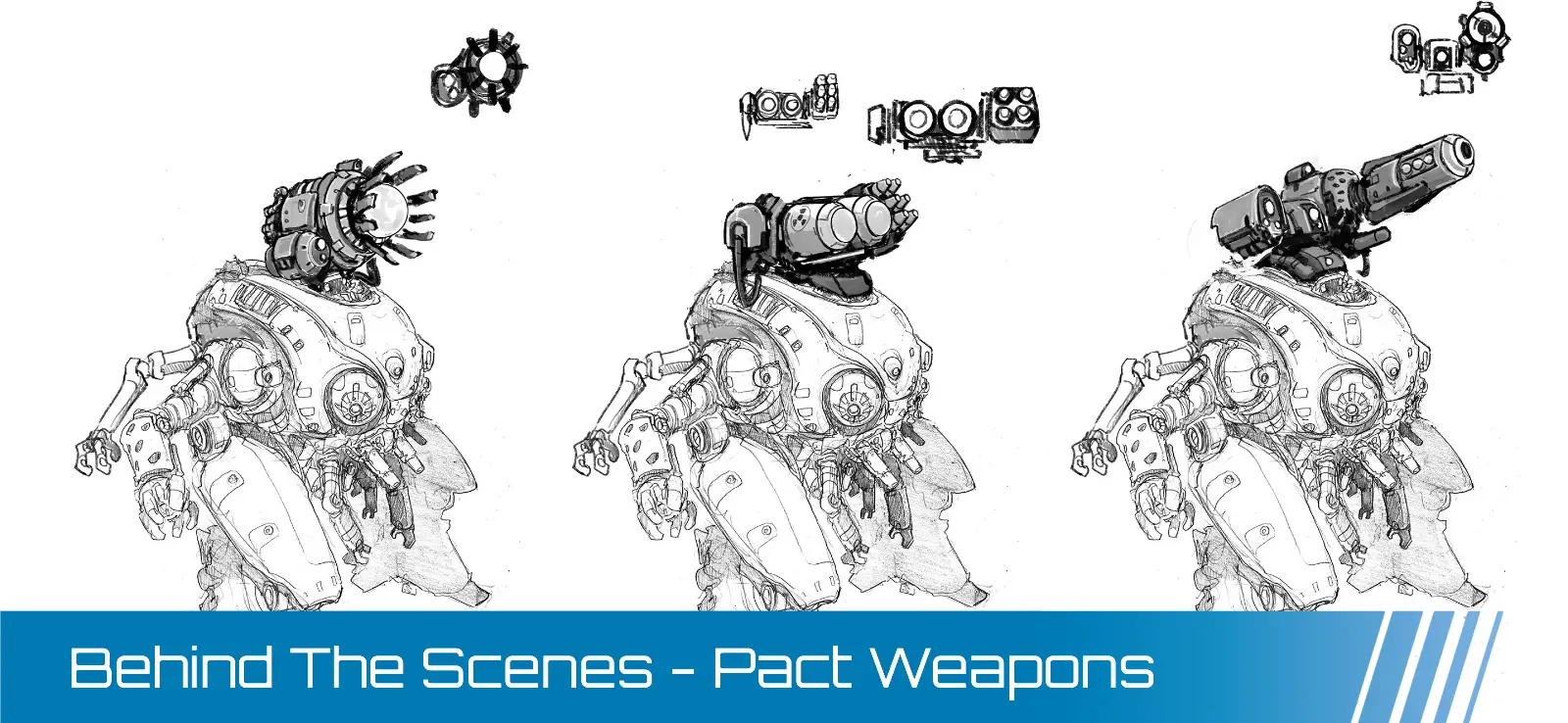
The designator is far more complex: a substantial, well-armored unit typically mounted on a combat zeoform’s head or shoulder area. Inside the unit is a bundle of wide-spectra ranging systems, a dedicated onboard processor, and a hardlink comm-beam.
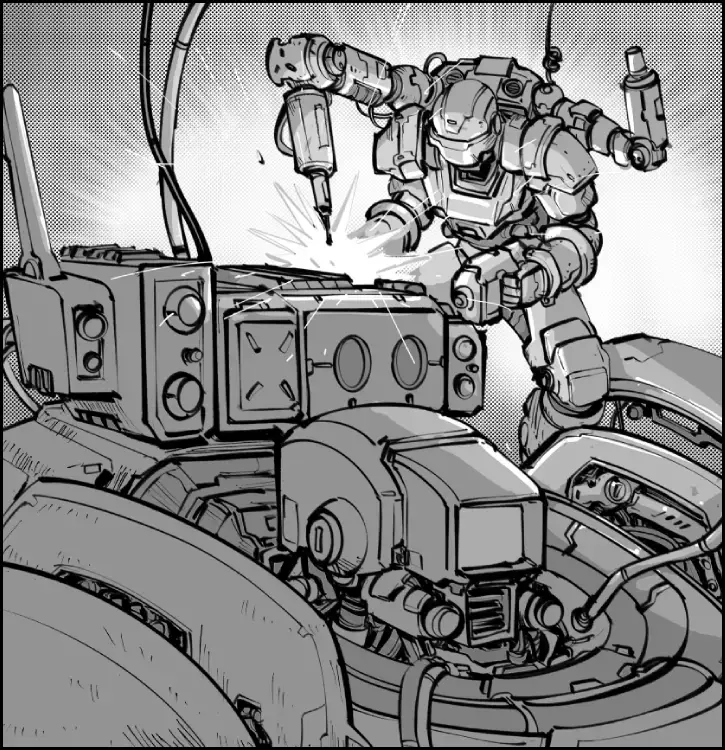
When a zeoform highlights a target location with the designator, the Tordenskrald's dedicated processor makes a fixed target image capture of it. The processor then correlates this image with as many points of reference as it can find using its and the zeoform’s own sensor and communication suite, including normally extraneous external data such as geolocation sources, topological data, and image recognition using horizon lines, stars, and logged spectrographic information. A randomized number of such checks are run while the processor performs handshake checks to confirm that the image it has stored correlates with the zeoform pilot's original intended aim point. Deployment protocols are also checked and the necessary notifications filed prior to confirmation of permission to launch. In practical terms, the entire run-time of these checks and confirmations can be measured in picoseconds.
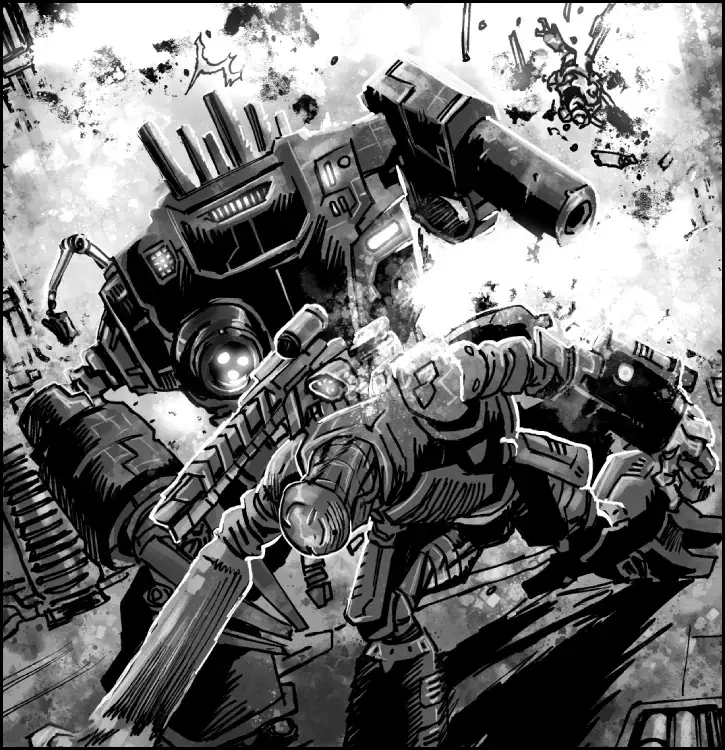
Once a target location and launch permission is confirmed, Tordenskrald missiles are launched in succession at the target until the zeoform pilot cancels the fire mission. As I have discussed elsewhere in a previous missive, the general purpose payload of the Tordenskrald is an explosive shock effect capable of leveling buildings and rattling even the most well-armored zeoform. The collateral damage inflicted can be considerable, especially in urban areas, placing the Tordenskrald missile system well inside the Protocol One weapon parameters.
One of the most respected analysts, known both for highly detailed breakdowns and post-engagement evaluation as well as more informal “pop” texts is “Drew Chambert” (a nom de plume). Little is known about this writer except it is evident they are or have been a zeo designer, possibly even a pilot at some point, and have some quite deep connections into both Pact and GuardCorps operations. Their writings and audiocasts are available across all one hundred heliospheres to a greater or lesser extent.











.webp)
.webp)