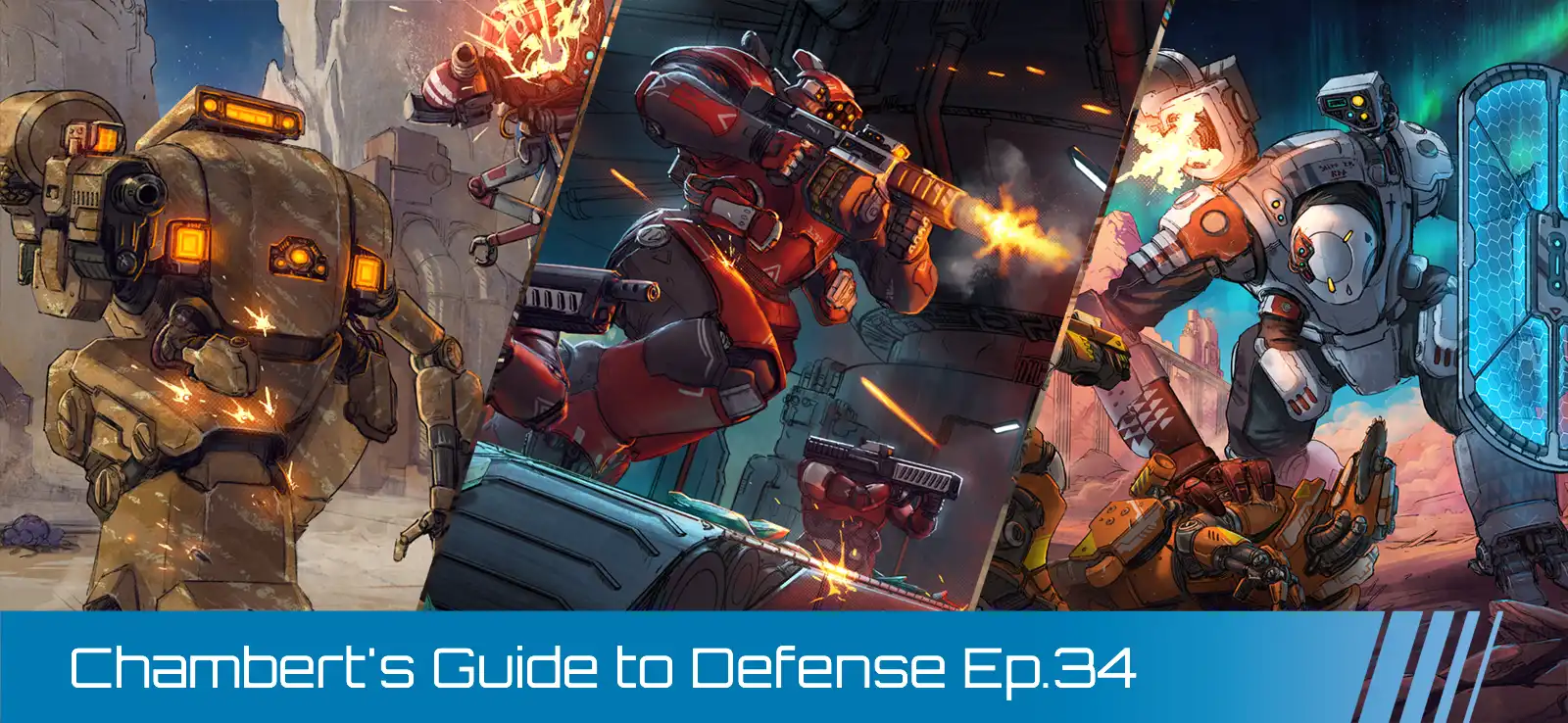
Chambert’s Guide to Anti-Zeo Support
Recently, a number of correspondents have contacted me privately and publicly to express their disappointment, in rather robust terms it must be said, that I do not address the essential role of Support in my missives. In truth, I have always considered my guides a forum to highlight technical aspects of combat zeoform designs and their interrelationship with the weapons they carry—as well as to dispel some publicly held misapprehensions about them that I find personally irksome to see repeated. As such, the role of Support personnel largely falls outside perceived remit other than where interesting crossovers with zeoform weaponry occur.
For any established reader, the essential nature of Support to zeoforms need not be addressed, as without engineering, logistics, and technical staff, combat zeoforms cannot function beyond the limits of their individual model's reserves of endurance. As with zeoform pilots, media is filled with personal accounts and more general histories of Support and its role on the contemporary field of conflict, so thus far it has seemed unnecessary to dwell upon it.
Alas, having tipped the vessel of knowledge regarding one form of Support, specifically Drones, the proverbial floodgates have opened with demands to summarize the contribution of human Support team members. To preserve some tatters of self-determinism I have, on this occasion, opted for a middle course by turning the lens onto Support members that are trained and equipped for fighting combat zeoforms, specifically two very different so-called “zeo-hunters.”
Pact Skerpskutter (‘Marksman’)
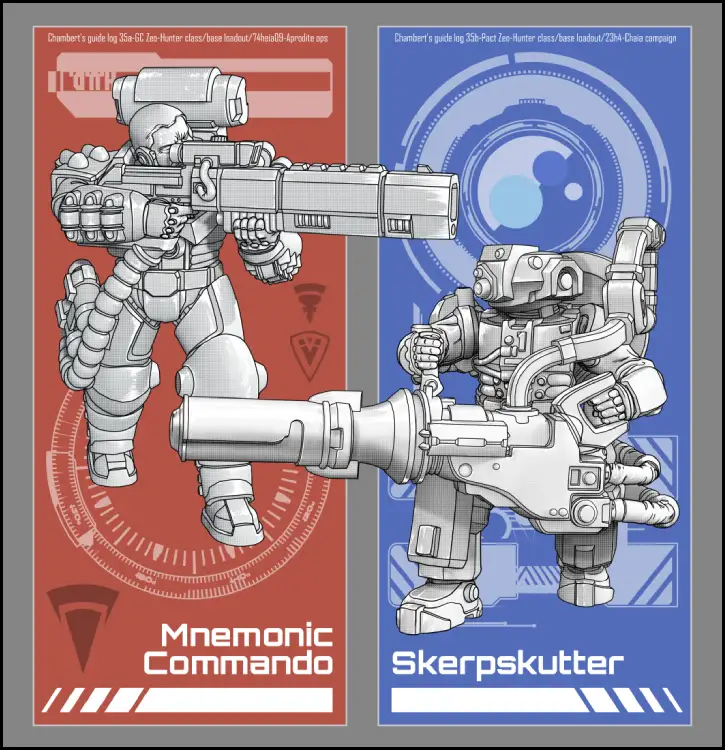
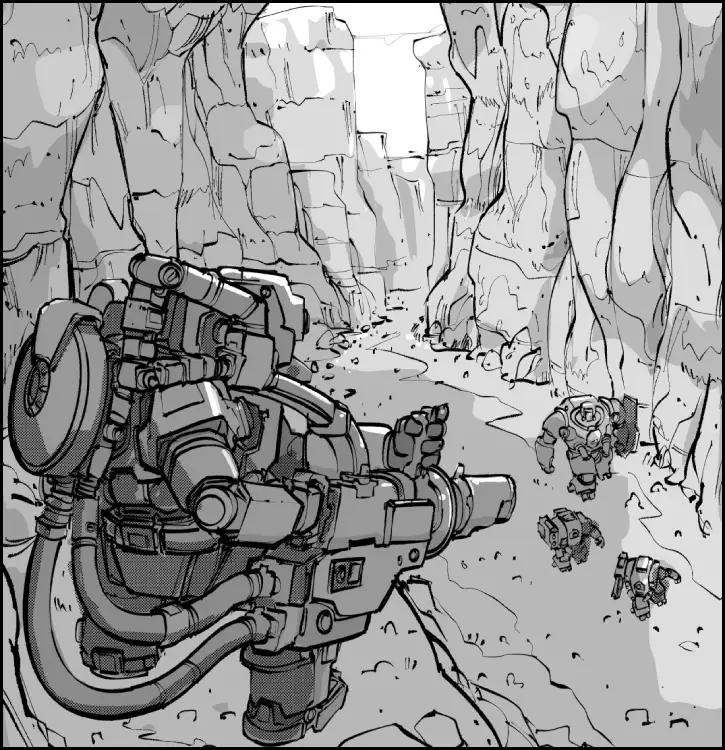
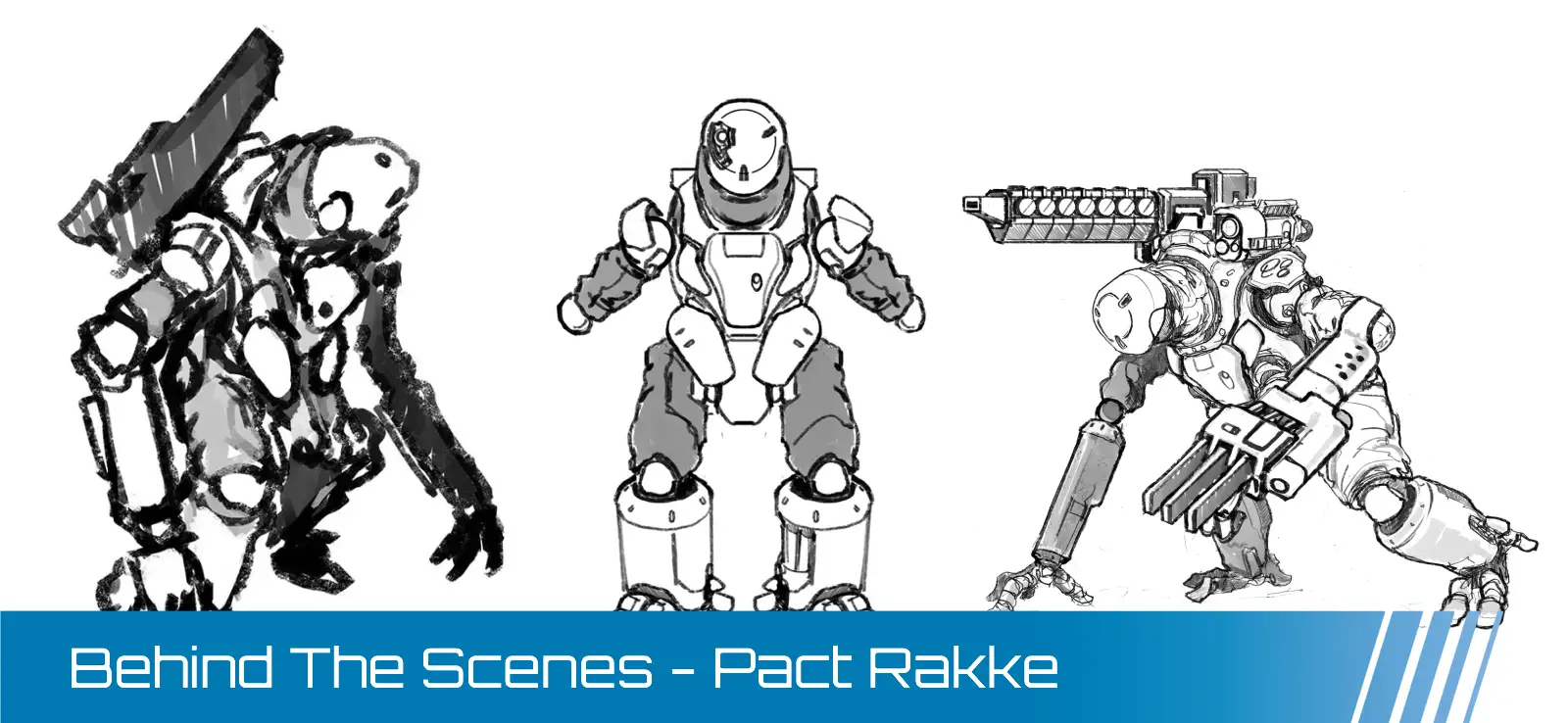
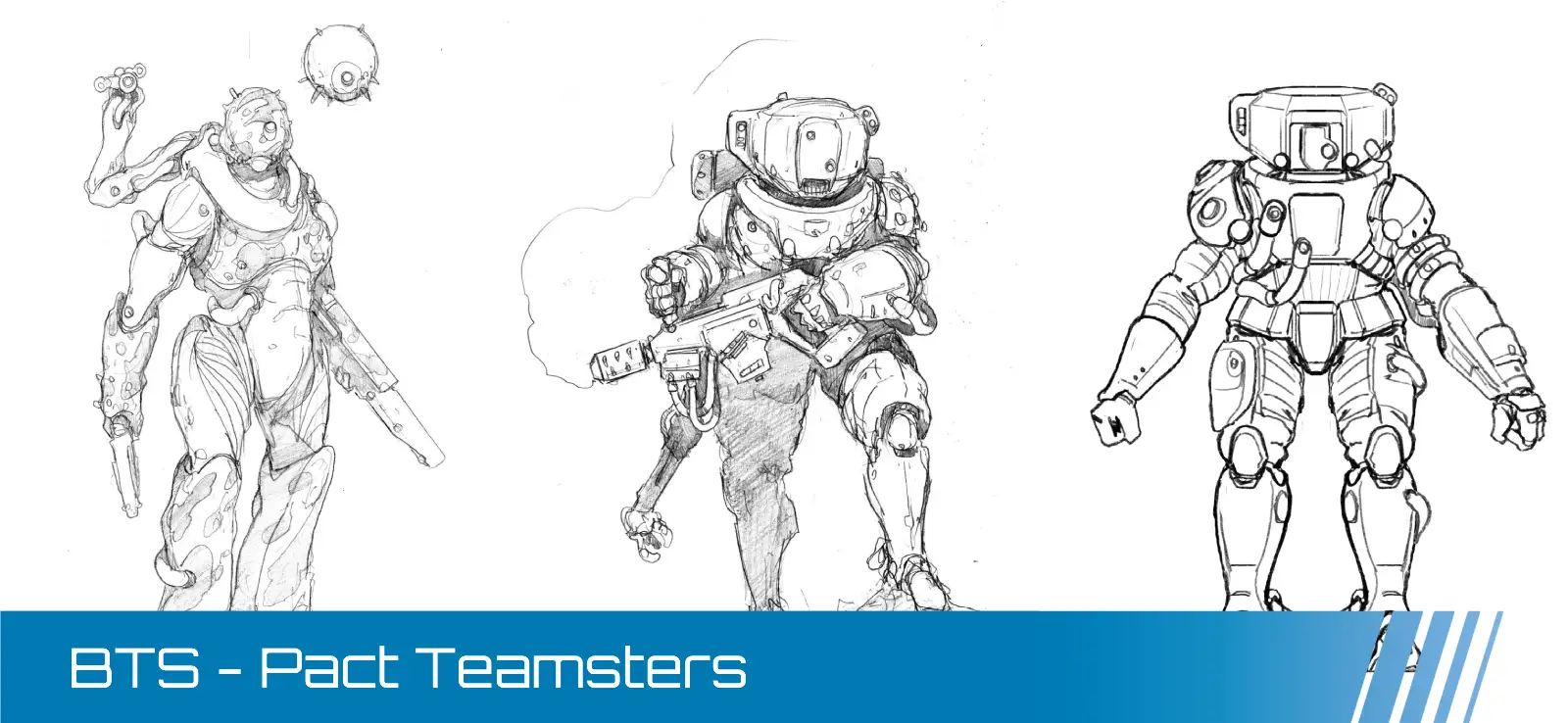
Anti-zeoform Support for Pact teams is performed by individuals seemingly referred to as “Skerpskutter,” which equates with the more common Basic concept of “Marksman.” Indeed, Skerpskutters are not solely dedicated to the anti-zeoform role, and actively engage opposing Support where need or opportunities arise. They are well-armored by Pact standards, sporting thick, rigid bodyshells and reinforced shielding. The usual exoskeleton enhancements present on Pact personnel are noticeably enhanced to provide the actuator power required to heft a considerable weight in armor and weaponry. In addition, the Skerpskutter's synaptic system and skeleton response seem to be “overclocked” in some fashion to achieve reaction times on par with combat zeoforms during battle.
Skerpskutters appear to exclusively wield variants of a weapon known as an “AZ Lance,” presumably referencing it as “anti-zeoform.” Lances are directed energy weapons akin to particle beams but with a tight focus more closely resembling coherent laser levels. Pact Lance weapons, including the AZ Lance, I have commented on previously in Chambert's Guide 22. The powerful discharge of a Lance is a threat to combat zeoform armor, even when in the truncated form employed by Skerpskutters. Suffice to say that the lethality of such a weapon is excessive for Support-sized targets, but aside from grenade analogues and an energy shield, it is the only weapon a Skerpskutter ever seems to carry.
Skerpskutters operate as loners, and there is considerable evidence to indicate they live a mercenary lifestyle, moving from team to team in conflict zones as need and opportunity arises. Engaging a combat zeoform is always a dangerous prospect, and even with their superior protection, successful Skerpskutters usually take advantage of the presence of distractions like Drones and Pact zeoforms to strike at weak points on opponents while avoiding direct confrontation. In the case of counterfire, a Skerpskutter must rely on its preternatural quick reflexes and having enough wisdom to choose their battleground carefully.
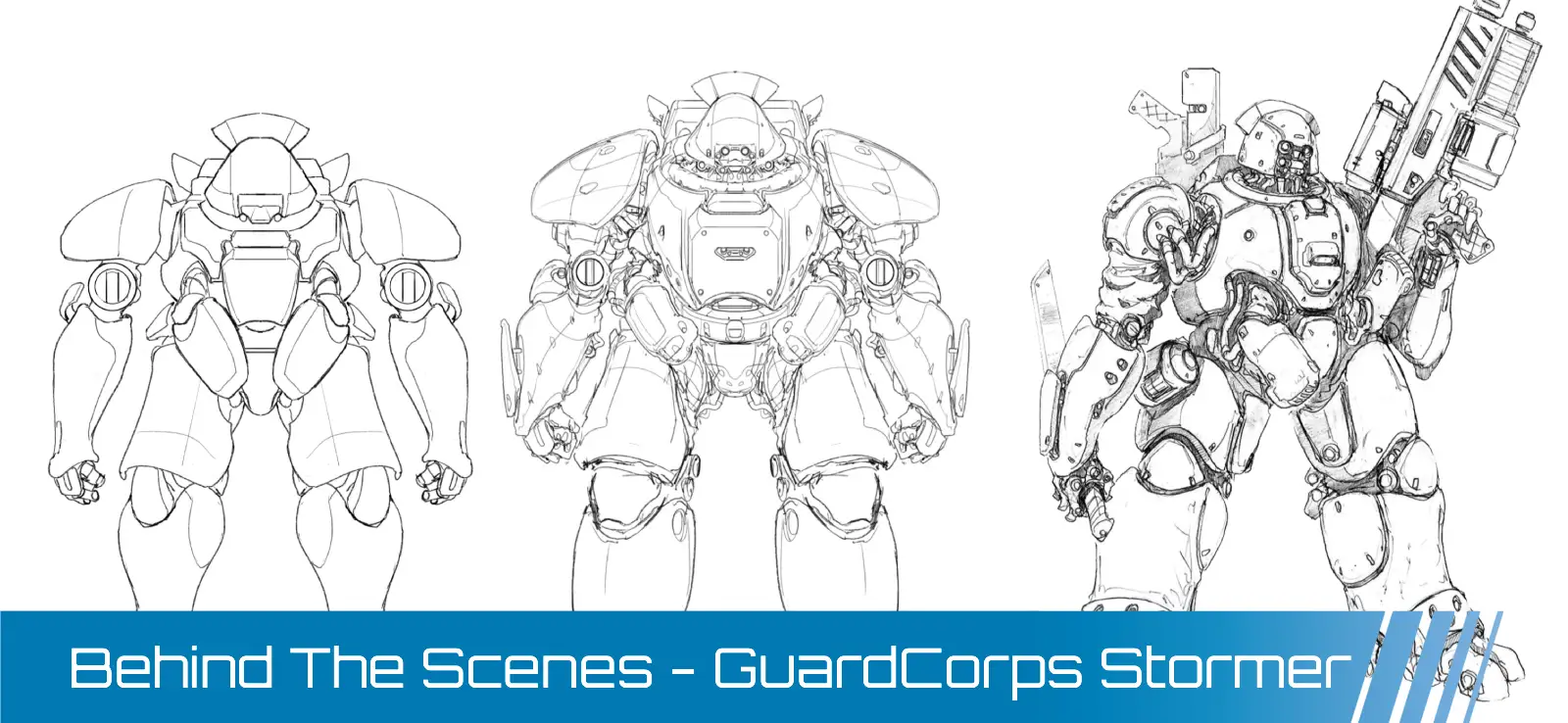
GuardCorps Mnemonic Commando
Within the GuardCorps, troopers have access to a limited amount of anti-armor weaponry. While Drones can be pressed into the role, planned engagement with enemy combat zeoforms is undertaken by specialized elite troopers equipped with Cerebral Auxiliary Drives. When it comes to literature both fictional and academic, there are few topics as popular as the GuardCorps’ Mnemonic Commandos, so my personal recommendation is the anonymously written “Synesthesia - Data Dumps of a Hard-Drive Hero” for those who wish to swim those muddy waters that exist between fact and fiction.
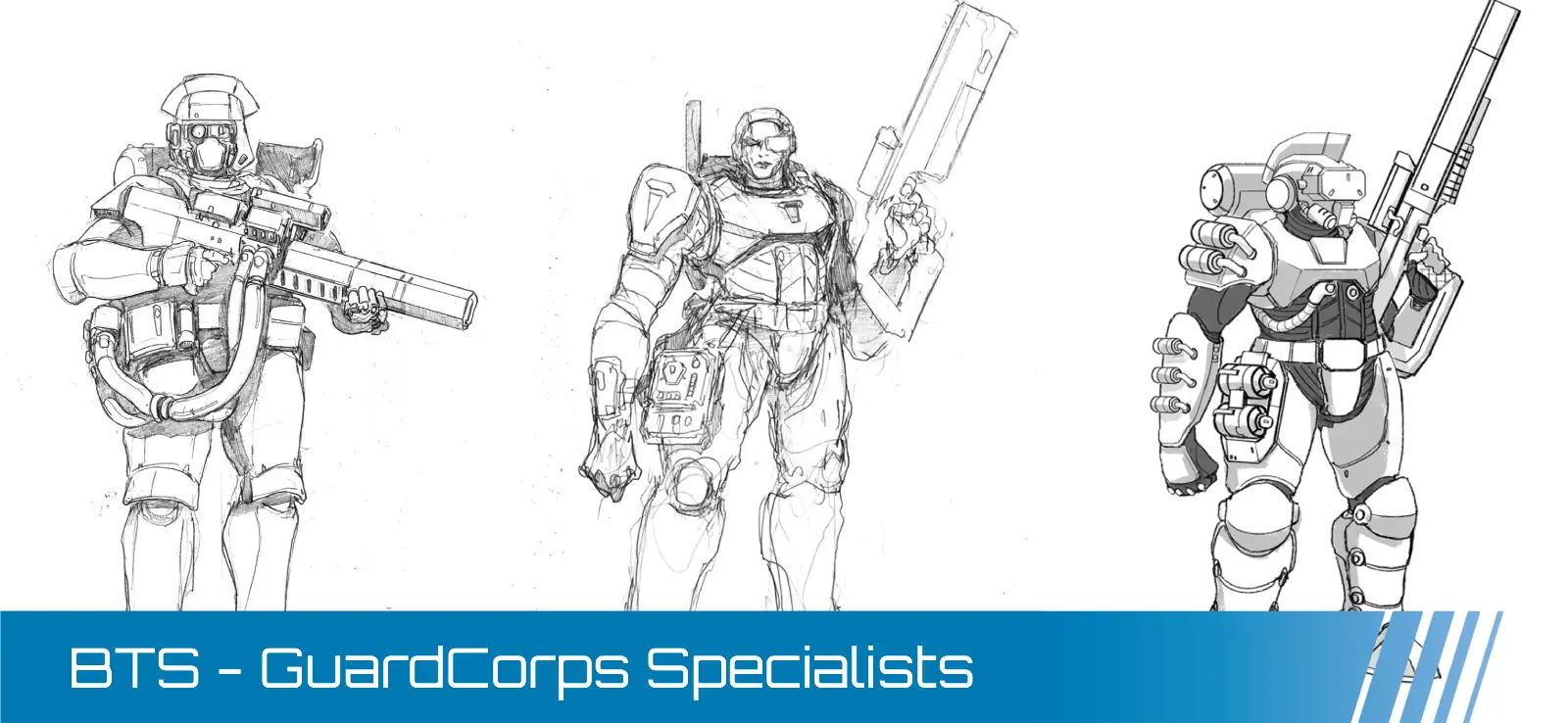
In the anti-zeoform role, commandos are supplied data-chips with precise renditions of zeoform schematics of all known types and information on disabling them rendered at an instinctual level, in addition to standard chipsets for combat awareness, weapons handling, reflex enhancement, and emotional bypass. Even with superhuman reflexes, the mobile light Support armor used by Commandos lacks sufficient protection for confrontations with combat zeoforms, so image- and sensor-absorbing materials and signature-scatter generators are common additions to provide sufficient stealth capabilities for a first strike. For weapons, Commandos employ standard SCL-64 Launchers and the more exotic SAZ-19 Heavy Rifle, an approximation of the Pact’s AZ Lance.
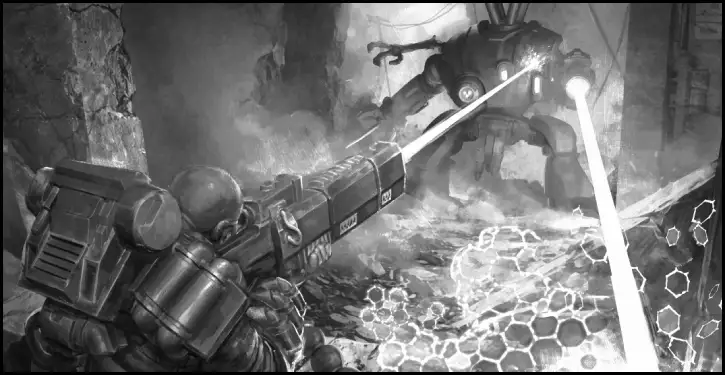
As may be imagined, anti-zeo Commandos choose their moment with consummate precision, usually coordinating with friendly zeoforms for a kill-shot on an already engaged enemy before revealing their presence. Even more than the Pact Skerpskutter, a GuardCorps Commando directly targeted by an enemy zeoform can only rely on reflexes and luck to survive the attack, so they must ensure their first shot of the engagement is also their last.
One of the most respected analysts, known both for highly detailed breakdowns and post-engagement evaluation as well as more informal “pop” texts is “Drew Chambert” (a nom de plume). Little is known about this writer except it is evident they are or have been a zeo designer, possibly even a pilot at some point, and have some quite deep connections into both Pact and GuardCorps operations. Their writings and audiocasts are available across all one hundred heliospheres to a greater or lesser extent.






.webp)
.webp)